Lineage
Mother side: Oaxaca S1
Dr. Greenthumb collected the Oaxaca himself in Mexico in the 1990s and selected a mother plant from it. Kushyman selfed the last clone of this mother, pollinating it with its own pollen. Seeds from such a selfing are called S1. Around 2006 Kushyman sent six feminised S1 seeds to Charlie Garcia, and the mother side of Mextiza came from them.
Where the “79” comes from
The Oaxaca is also known as “Oaxaca ’79”. The year rests on a mix-up that Kushyman himself cleared up. He had also told Charlie Garcia about his first Mexican plant, which finished outdoors at his place in 1979, and Charlie mixed up the two stories. The Oaxaca was not collected until the 1990s.
Father side: NepalJam F6
NepalJam starts with a cross of Nepal Highland, a landrace from Nepal, and Jamaican Blue Mountain ’85. This landrace from Jamaica was collected in 1985 and then acclimatised in Spain. The offspring were crossed back to Nepal Highland once more. On average, about three quarters of the genome therefore comes from the Nepalese side. The line was then carried on to the sixth filial generation, the F6.
ACE Seeds keeps this line as Nepal Jam and describes it as highly resistant to mould and cold, with a sweet, creamy, honeyed aroma.
The cross
Charlie Garcia crossed the Oaxaca S1 with NepalJam F6. On one side stands the single selfing of a wild plant, on the other a cross of two landraces carried over six generations. Neither side is stabilised, and the traits of the three landraces segregate widely in the offspring.
This reproduction was open-pollinated. The pollen moves freely between the plants and no single father is chosen. That keeps the full breadth of the line.
The exact pedigree
Mextiza (Bunkerlinge Seeds, regular, open-pollinated)
│
└── Mextiza [Cannabiogen, Charlie Garcia “Kaiki”]
│
├── Oaxaca S1 (feminised)
│ └── selfed by Kushyman
│ └── last clone of the mother plant, selected by Dr. Greenthumb
│ └── Oaxaca, Mexico, collected by Dr. Greenthumb in the 1990s
│ (wrongly known as “Oaxaca ’79”)
│
└── NepalJam F6
└── (Nepal Highland × Jamaican Blue Mountain ’85) × Nepal Highland
├── Nepal Highland × Jamaican Blue Mountain ’85
│ ├── Nepal Highland (landrace)
│ └── Jamaican Blue Mountain ’85 (landrace, collected 1985, acclimatised in Spain)
│
└── Nepal Highland (landrace,
backcross)
Plant morphology
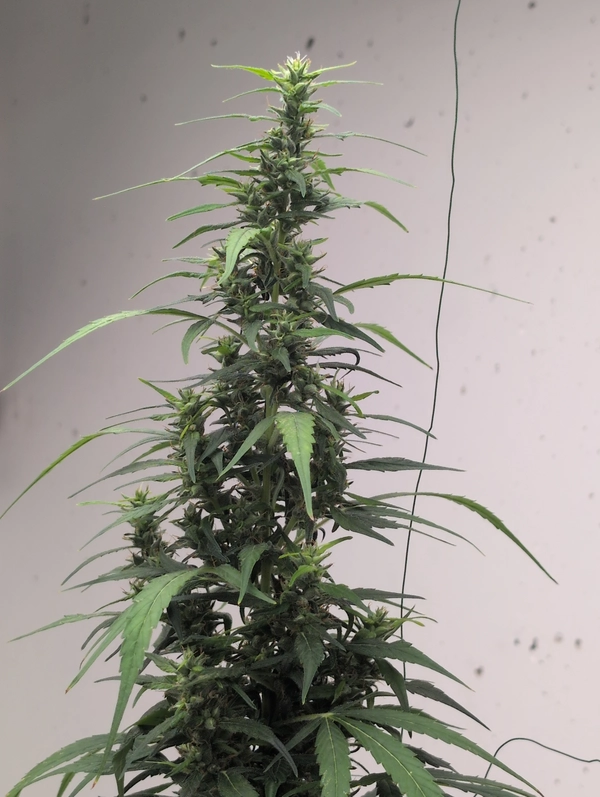
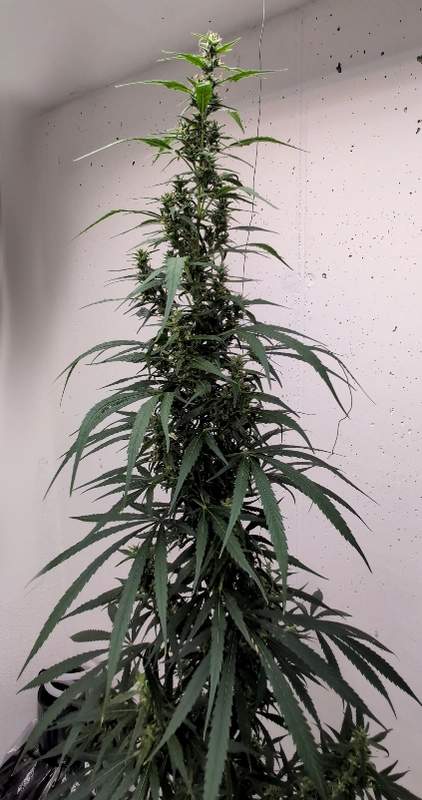
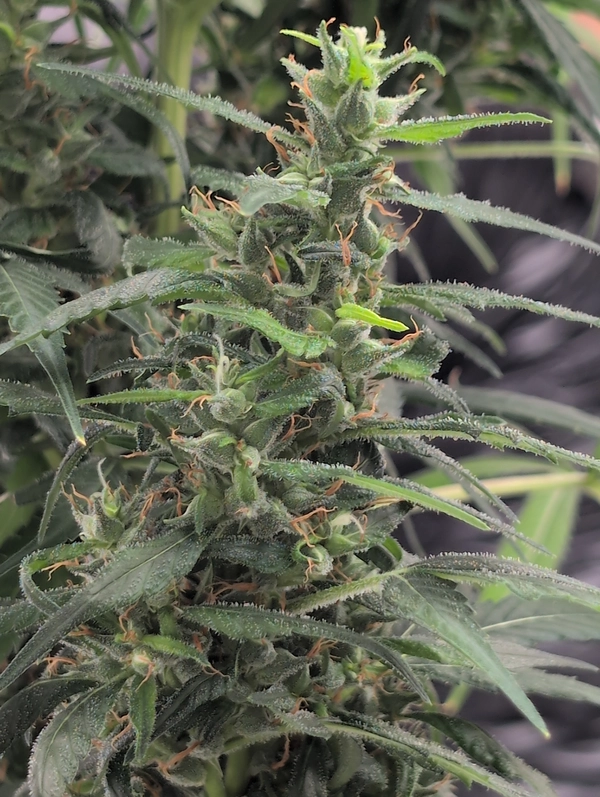
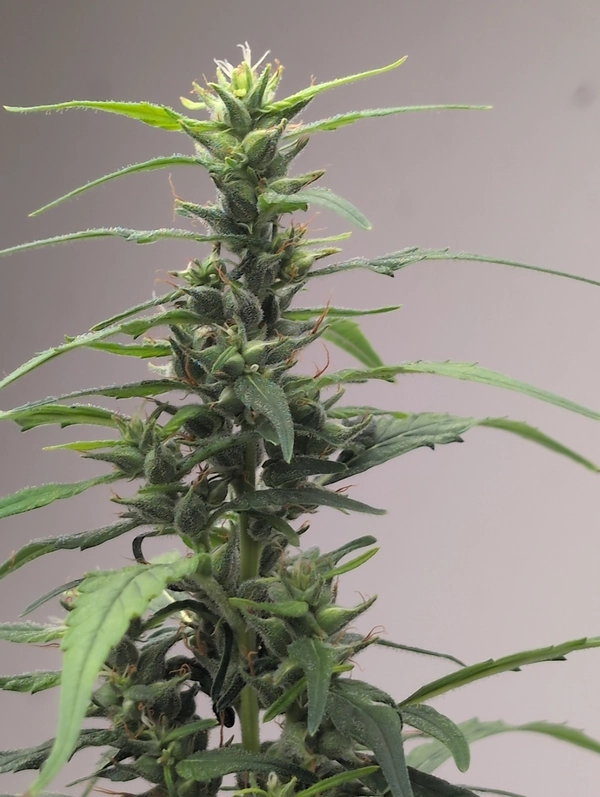
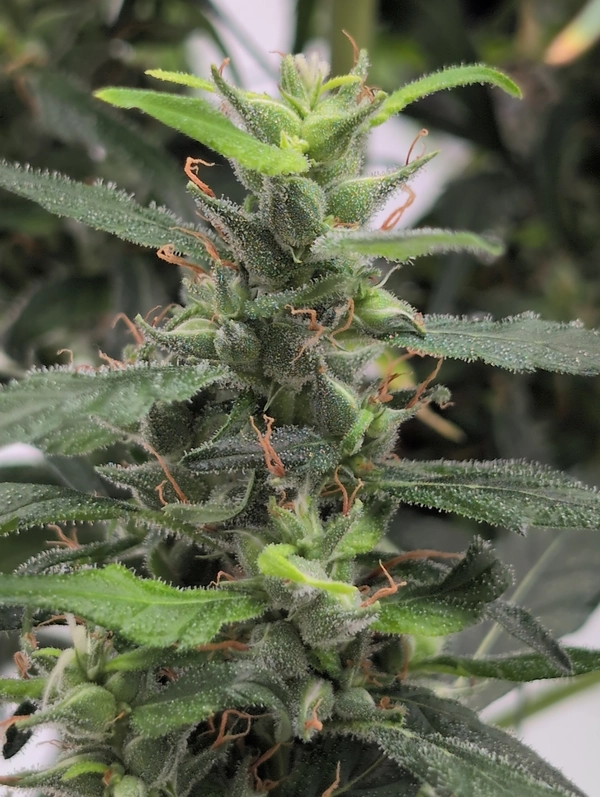
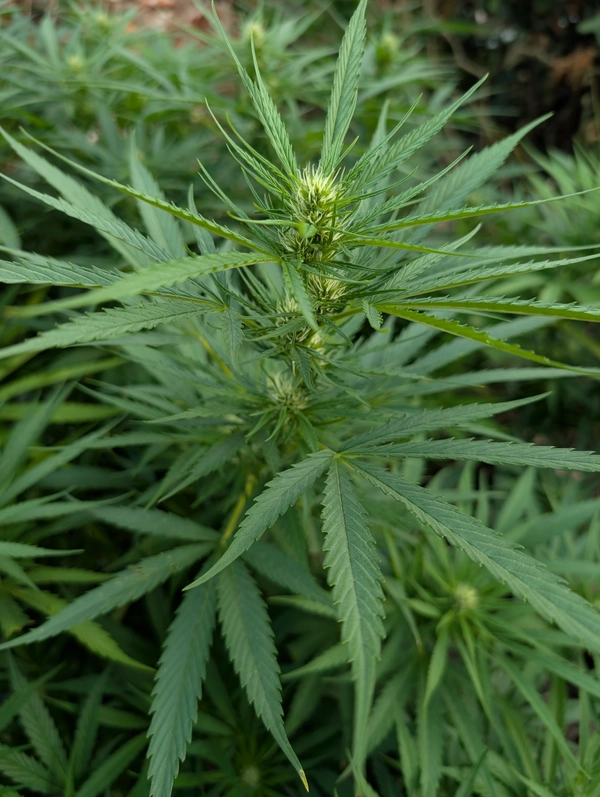
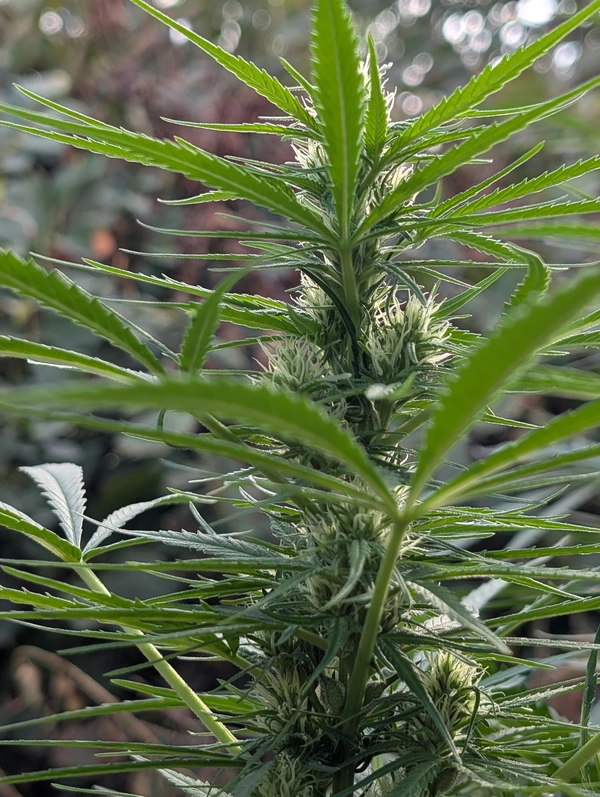
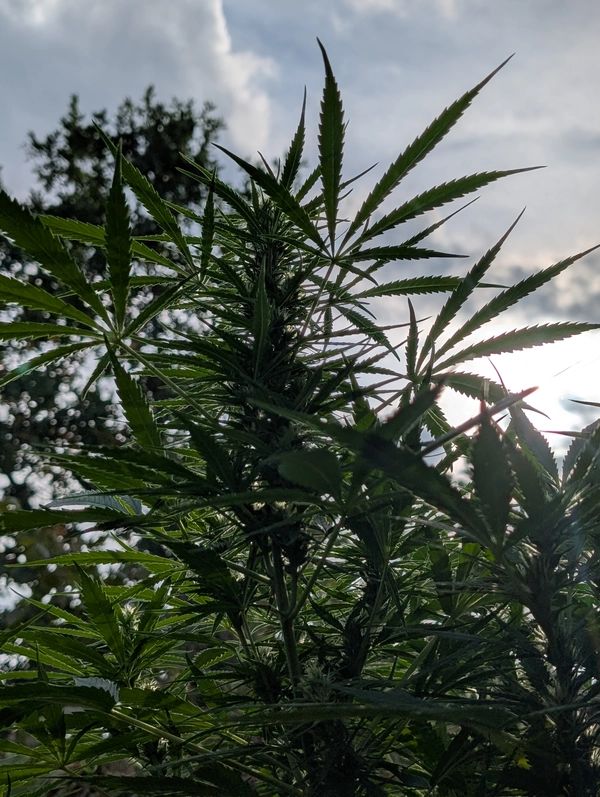
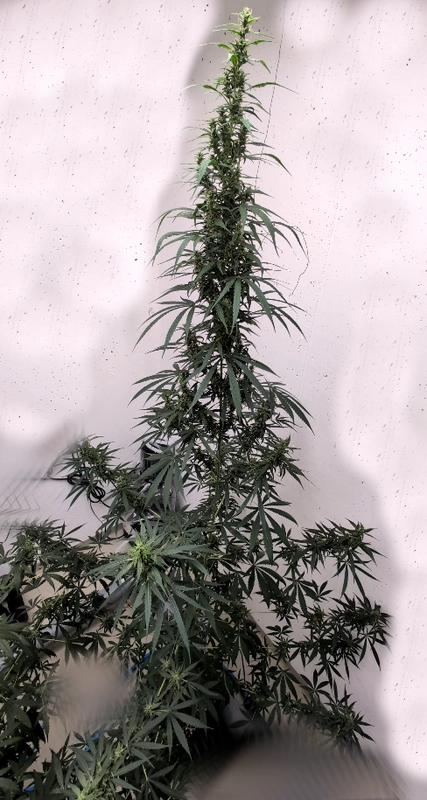
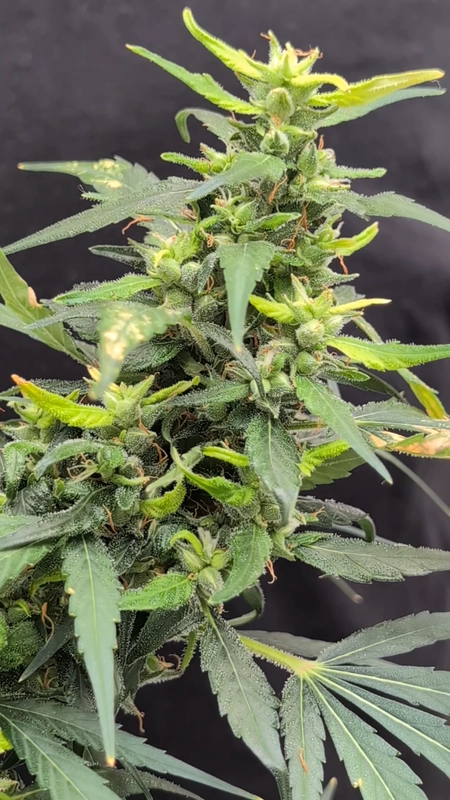
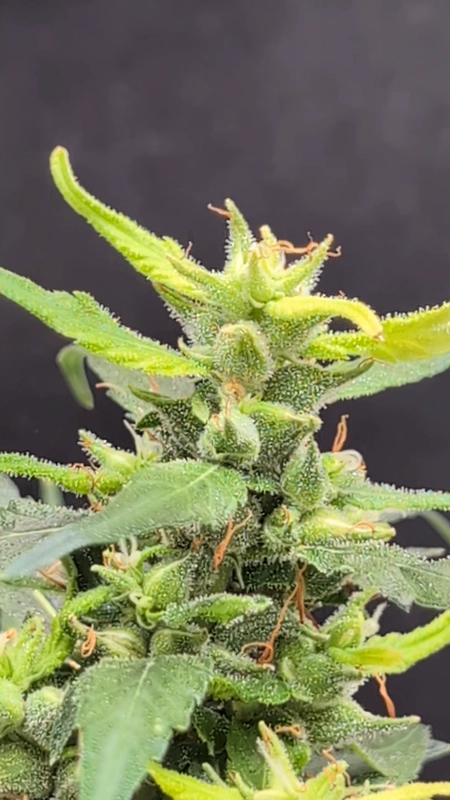
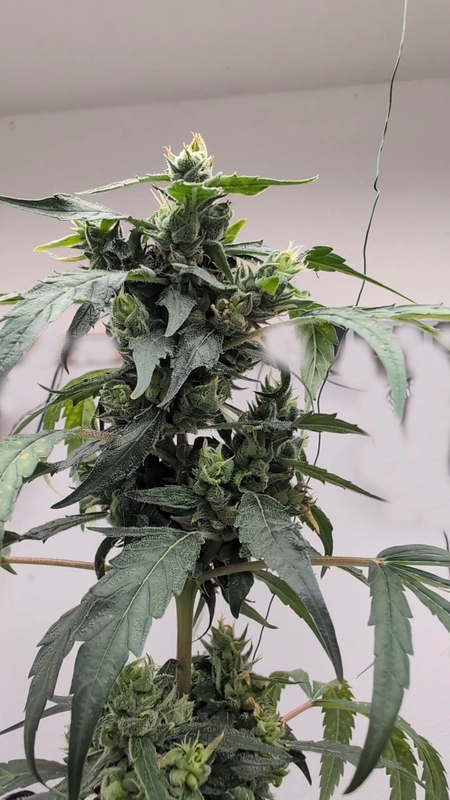
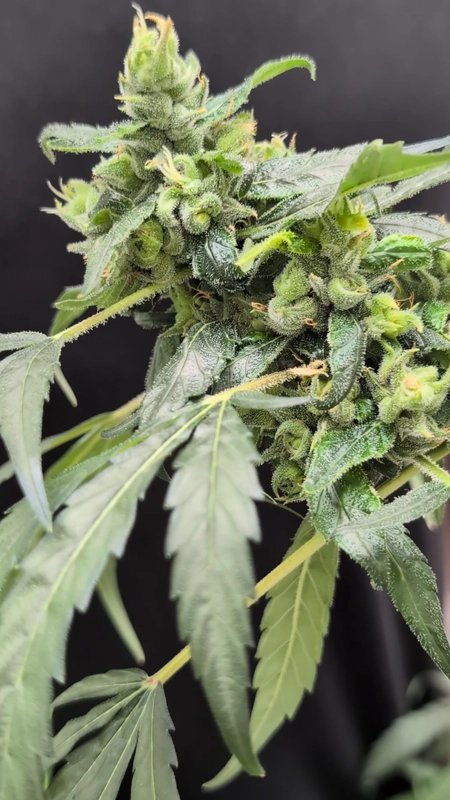
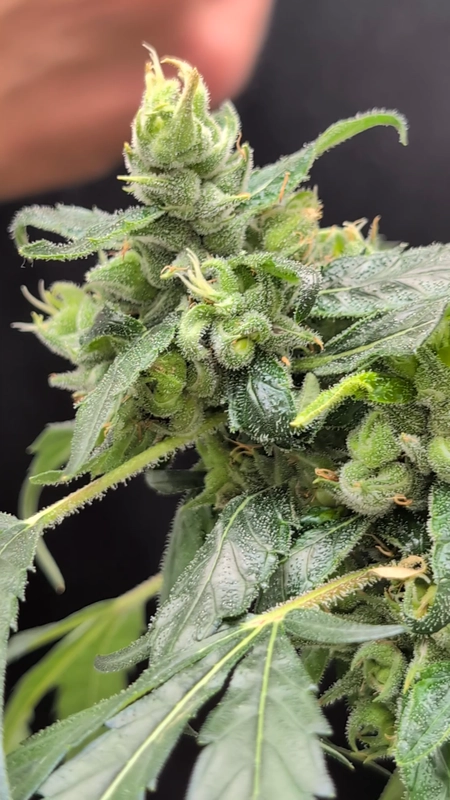
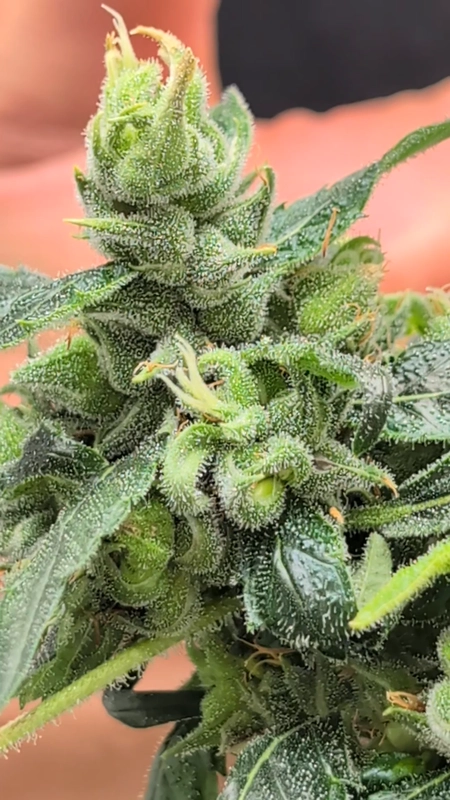
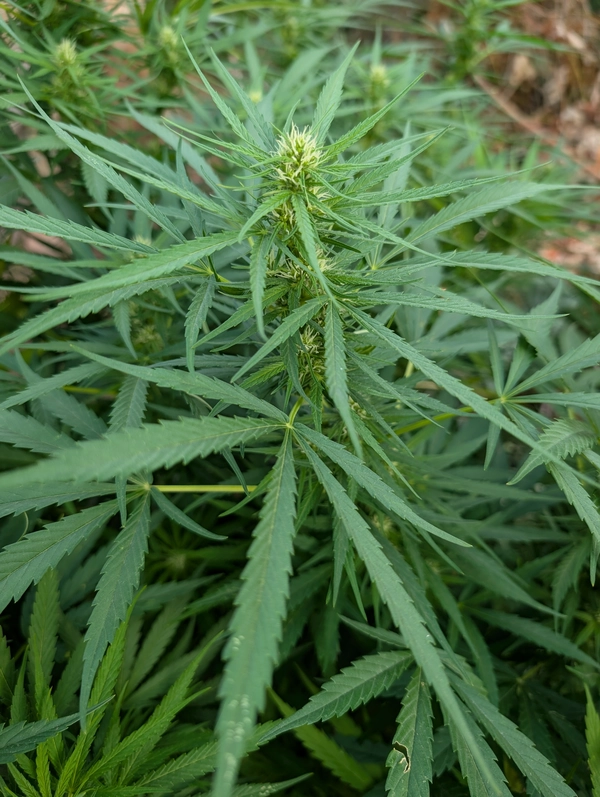
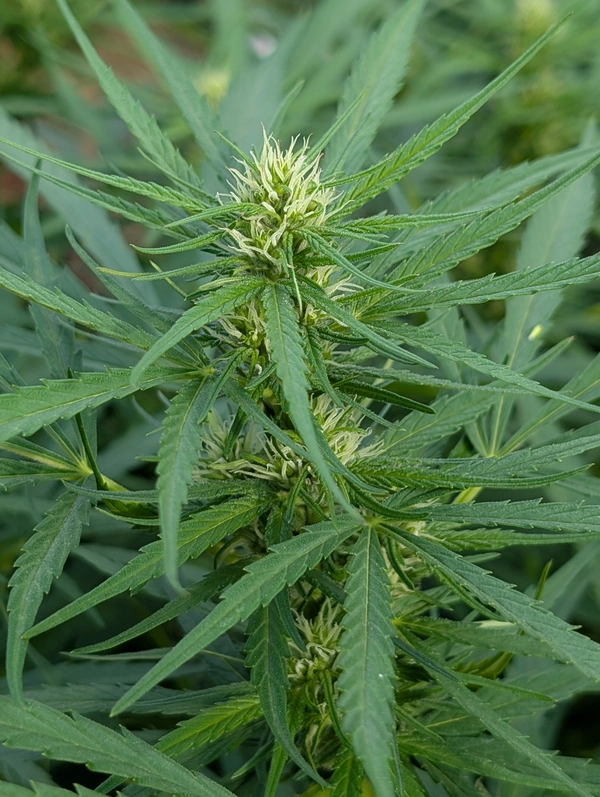
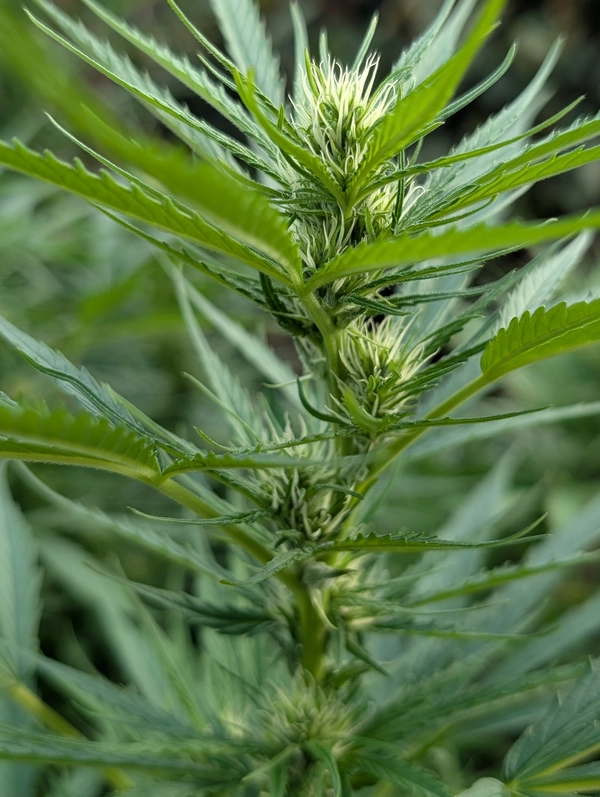
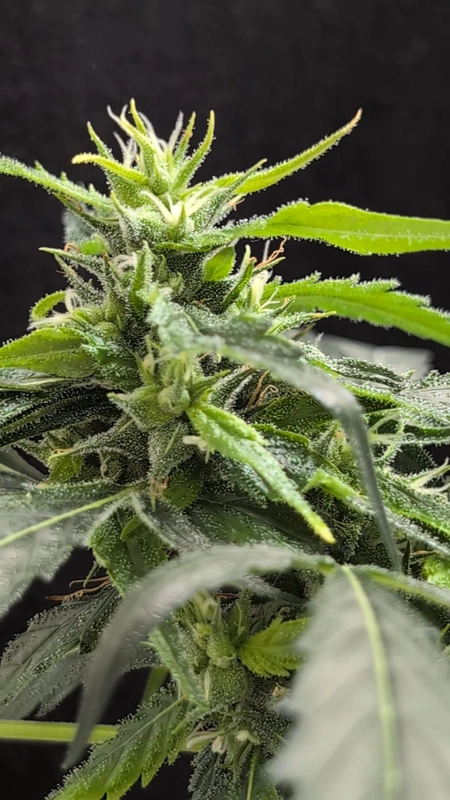
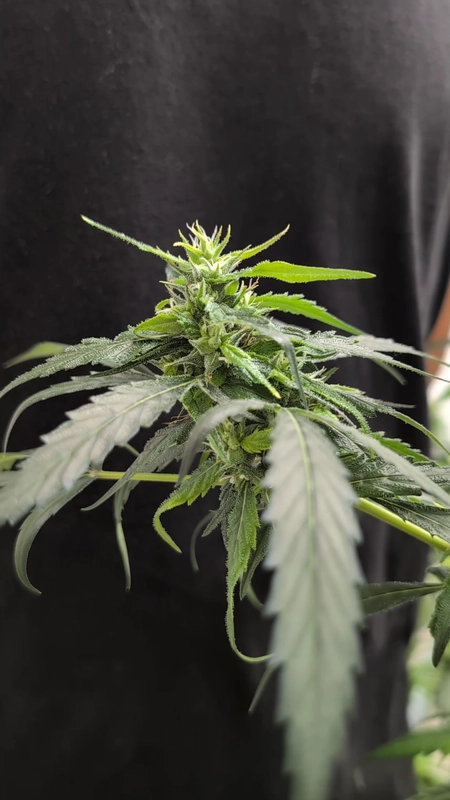
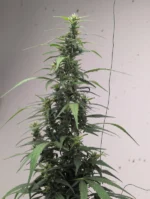
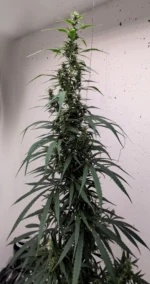
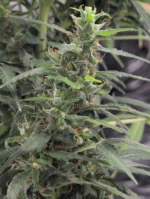
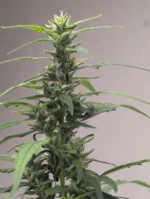
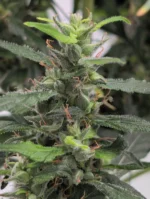
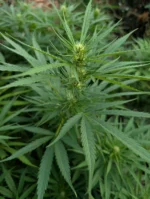
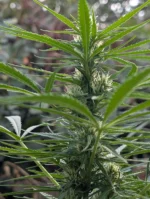
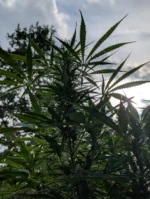
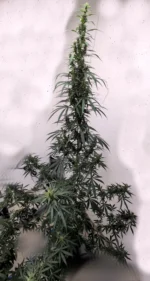
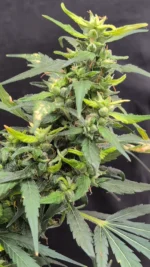
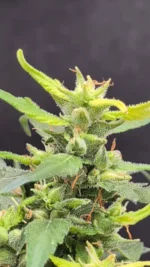
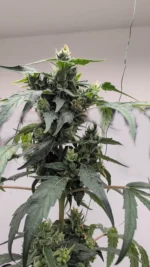
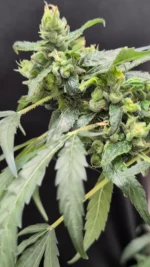
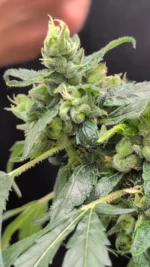
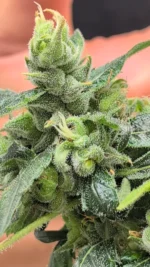
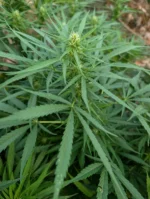
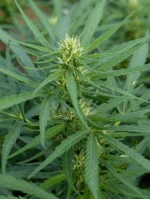
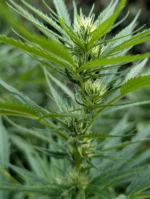
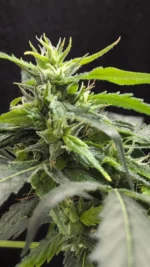
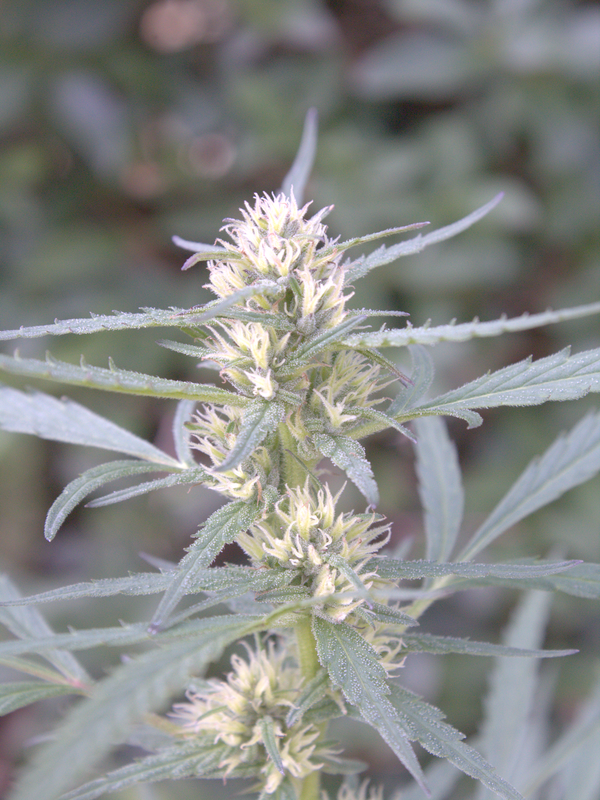
Mextiza grows as a pronounced sativa. In flower it stretches massively and gets very large if you let it. Growth and ripening time vary between the plants in one pack, because the traits of the three landraces segregate. If you grow several seeds, you see the differences side by side and can select on purpose.
Terpenes and aroma
The three keeper females of this reproduction were tested, Mextiza #1, Mextiza #5 and Mextiza #7, harvested and cured after about 90 days of flowering. Their terpene contents range from 0.82 to 1.73%. Terpinolene is in the top three on all of them, a fresh, herbal, resinous aroma compound. The strongest compound, however, is a different one on every plant.
Mextiza · Terpenes · 3 plants tested · seeded, cured, seeds removed by the lab · about 90 days of flowering
Mextiza #1
Total terpenes
0.82%
Terpenes, mass %
cis-phytol0.19
myrcene0.11
terpinolene0.10
m-cymene0.09
β-caryophyllene0.08
β-ocimene0.06
α-pinene0.06
camphor0.05
α-humulene0.04
3-carene0.04
Ratios
Share of top compound23.2%
Share of terpinolene12.2%
β-caryophyllene : humulene2.0 : 1
below LOQ: β-pinene, camphene, sabinene, α-phellandrene, D-limonene, eucalyptol, γ-terpinene, linalool
Mextiza #5
Total terpenes
1.73%
Terpenes, mass %
terpinolene0.44
β-caryophyllene0.17
D-limonene0.11
guaiol acetate0.10
β-pinene0.08
linalool0.08
β-ocimene0.08
myrcene0.08
m-cymene0.08
dihydrojasmone0.07
α-humulene0.07
α-pinene0.06
guaiol0.06
cis-phytol0.06
α-terpineol0.04
D-isomenthone0.04
3-carene0.04
α-terpinene0.03
Ratios
Share of top compound25.4%
Share of terpinolene25.4%
β-caryophyllene : humulene2.4 : 1
19 compounds detected; this certificate does not list compounds below LOQ
Mextiza #7
Total terpenes
1.09%
Terpenes, mass %
camphor0.29
terpinolene0.17
myrcene0.15
D-limonene0.11
α-pinene0.08
β-caryophyllene0.08
β-ocimene0.06
α-humulene0.05
β-pinene0.05
trans-β-farnesene0.05
Ratios
Share of top compound26.6%
Share of terpinolene15.6%
β-caryophyllene : humulene1.6 : 1
below LOQ: camphene, sabinene, α-phellandrene, eucalyptol, γ-terpinene, linalool, borneol, α-terpineol, geraniol
Altus Biolabs, Vienna · GC-FID · 30 Sep 2026 · LOQ = limit of quantification 0.02% · green: top compound per plant · shares calculated from the certificate values · A compound missing from a certificate is not necessarily absent: each certificate lists a different selection.
Certificates · click to enlarge
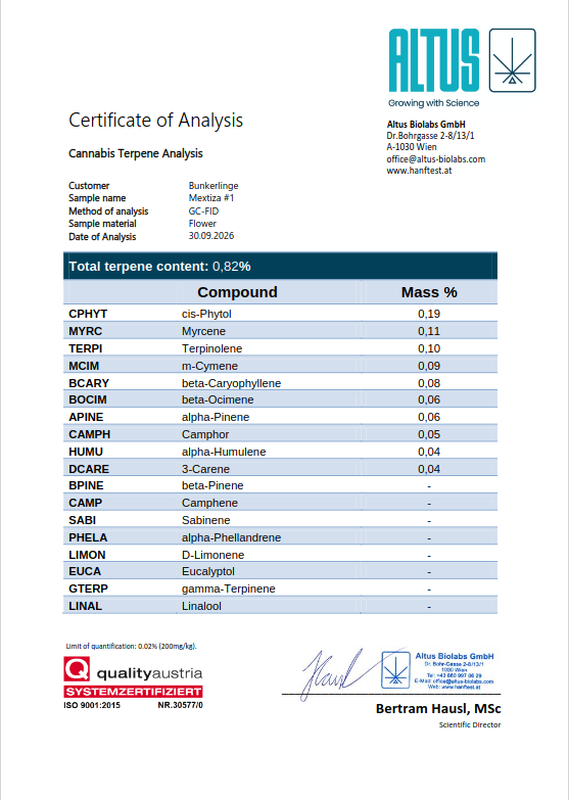
Mextiza #1 · Terpenes
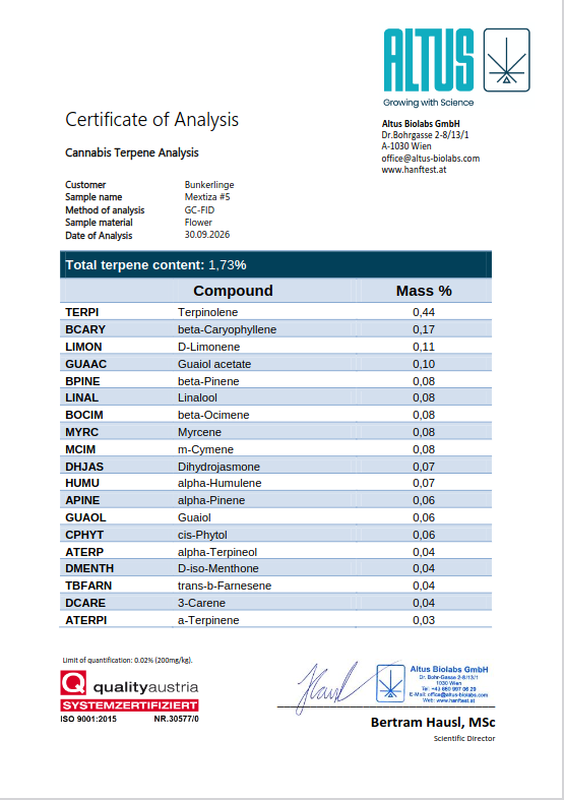
Mextiza #5 · Terpenes
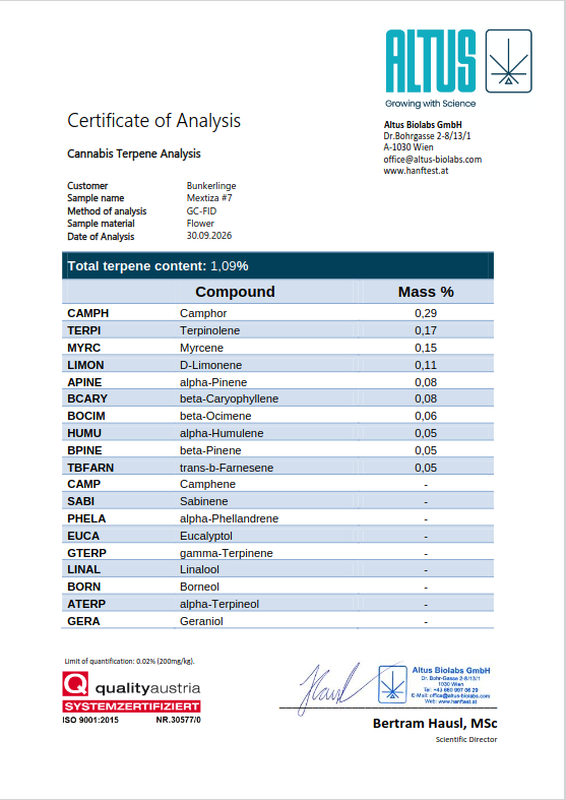
Mextiza #7 · Terpenes
Mextiza #1: cis-phytol in front
At 0.82% terpenes, Mextiza #1 is the most restrained of the three. cis-Phytol leads with 0.19%, followed by myrcene (0.11%), terpinolene (0.10%) and m-cymene (0.09%). β-Caryophyllene, β-ocimene, α-pinene, camphor, α-humulene and 3-carene complete the profile.
Mextiza #5: terpinolene in front
Mextiza #5 carries the richest profile of the three at 1.73%, with 19 compounds on the certificate. Terpinolene alone makes up about a quarter of it at 0.44%. It is followed by β-caryophyllene (0.17%), D-limonene (0.11%) and guaiol acetate (0.10%). Alongside are linalool with its lavender note, the jasmine-like dihydrojasmone, woody guaiol and, with D-isomenthone, a minty compound.
Mextiza #7: camphor in front
On Mextiza #7, camphor leads at 0.29%, ahead of terpinolene (0.17%), myrcene (0.15%) and D-limonene (0.11%). In total it reaches 1.09% terpenes.
Camphor far above the reference value
A 2022 paper by Chacon and colleagues tabulates terpene values from cannabis research and gives 0.001–0.01 mg/g for camphor. Mextiza #7 reaches 2.9 mg/g, by calculation about 290 times the highest value listed there. Even Mextiza #1, at 0.5 mg/g, is still at 50 times.
How Mextiza smells
The three plants showed rose, incense, sage, lavender and fermented fruit, mostly on a woody base with a pungent spice. Only Mextiza #5 gave off citrus, and only briefly at the start. During curing the aroma changed noticeably once more on all three plants, and for the better.
A grower from the Pacific Northwest of the USA described the plants of his own Mextiza line one by one. One smelled of pine resin and passion fruit with earthy lavender. Another opened with orange on a creamy base of palo santo wood, a third smelled of pure orange and cedar. The fourth opened with turpentine, underneath overripe orange, cedar and a hint of mint.
Which compounds are behind the aromas
Many of these notes show up in the certificates. Pine resin and turpentine fit α-pinene, β-pinene and 3-carene, the main components of turpentine. The lavender fits the linalool of Mextiza #5, the mint its menthone and the orange the limonene. Palo santo and rose fit the guaiol of Mextiza #5: it is a main component of palo santo wood oil, which smells softly of rose. The sage fits the camphor, which is also one of the main components of sage oil.
Part of the aroma stays invisible to the terpene panel. In cannabis, passion fruit does not come from terpenes but from sulphur compounds such as 3-mercaptohexanol, which smell strongly even in tiny amounts and are not measured with this method. Likewise, bulnesol, the second main compound of palo santo oil, and thujone from sage appear on none of the certificates. Mextiza can therefore carry more aroma compounds than the numbers show.
Effect
The effect varies as widely as the aroma. Reports on different Mextiza lines agree on a daytime strain: a clear, alert head high that lifts the mood and makes you want to get things done. The grower from the Pacific Northwest described it most precisely, plant by plant, and his reports fall into three types.
The grounded type
These plants come on slowly, with the full effect only after about ten minutes. They feel energetic but calm, present and creative, with a good body feeling and an urge to move. The grower calls it “island mood”: you make steady progress and enjoy the way. The effect lasts two to five hours. On one plant it faded gently, on another it dropped off abruptly at the end and made him so tired that he was ready for bed before his last hour of work.
The middle way
One plant sat between the extremes. Its effect came on strongly, first noticeable in the eyes, and gave energy like a cup of coffee for almost three hours, with a slightly psychedelic edge and still grounded. The grower found it ideal for skating and hiking. The second half was more stoned but not tired, and six hours later it was still slightly noticeable. There was hardly any low as it wore off.
The strong type
The strongest plants hit immediately. The grower describes them as very wired and psychedelic, like four cups of coffee and a light dose of mushrooms; no other plant intensified visual impressions as much. After a short cure it made him rather withdrawn and could tip into paranoia, and he advised people with low tolerance to be careful. After a longer cure the same plant felt talkative and sociable, and the paranoia was gone. It stayed strong for a good two hours, then remained noticeable but alert for two more, and faded slowly over another three.
Growing recommendation
Indoors
We recommend Mextiza for indoor growing. It needs 11–13 weeks of flowering and stretches to three to four times its height after the flip. That can be controlled: by pruning, an early flip and the choice of pot size. If space gets really tight, cutting the light to 11.5 hours helps. If you have headroom, you can also let it grow into huge Christmas trees.
Feeding Mextiza is easy. It needs very little fertiliser and, like many sativas, reacts sensitively to high nitrogen levels.
Outdoors
Outdoors we only recommend Mextiza in a Mediterranean climate. Growing it in Germany is not impossible, but we list it here explicitly as experimental genetics: at 48.5° N it is only in full flower in early October and finishes at the earliest in early to mid November, right in the weeks of cold, wet nights and first frosts. With luck with the weather, or a greenhouse to move it into, you still have a chance to get it reasonably finished here.
Its real strength for the open field lies in crossing. Crossed with fast outdoor genetics, Mextiza brings a solid sativa influence and clear heterosis effects into the offspring, meaning the special vigour of the first cross generation. Together with its mould and cold resistance, this makes it an excellent choice for breeding experiments. A real gem with the potential to produce absolutely brilliant plants.
Mould resistance
The grower in the Pacific Northwest grows his Mextiza line on the edge of the Hoh Rainforest. He is at 48° N, the latitude of Munich, where more than 1,800 mm of rain falls each year. Across many phenotypes the strain stays practically free of mould there and has also survived frosts.
The father side is also considered mould-proof. How the resistance is distributed between the parent sides has not been studied.
Lab values
The measurements were done by Altus Biolabs in Vienna, an ISO 9001:2015 certified lab. Cannabinoids were determined by HPLC (liquid chromatography), terpenes by GC-FID (gas chromatography). Hop latent viroid (HLVd), a pathogen that can infect cannabis plants, was tested by RT-qPCR, a genetic test.
Cannabinoids
Mextiza · Cannabinoids · 3 plants tested · seeded, cured, seeds removed by the lab · about 90 days of flowering
Mextiza #1
Total THC
7.64%
Cannabinoids, mass %
Δ9-THC0.86
THCA7.73
CBDA0.04
CBG0.03
CBGA0.09
CBC0.08
Total CBD0.04
Total CBG0.11
Total cannabinoids8.83
Ratios
THCA : Δ9-THC9.0 : 1
Δ9-THC share of total THC11.3%
THC group share of all97.3%
Acid forms share of all89.0%
THC : CBD~190 : 1
THC : CBG69 : 1
Mextiza #5
Total THC
10.66%
Cannabinoids, mass %
Δ9-THC1.62
THCA10.31
CBDA0.06
CBG0.09
CBGA0.16
CBC0.04
Total CBD0.05
Total CBG0.23
Total cannabinoids12.28
Ratios
THCA : Δ9-THC6.4 : 1
Δ9-THC share of total THC15.2%
THC group share of all97.1%
Acid forms share of all85.7%
THC : CBD~210 : 1
THC : CBG46 : 1
Mextiza #7
Total THC
8.04%
Cannabinoids, mass %
Δ9-THC0.81
THCA8.24
CBDA0.07
CBG0.04
CBGA0.08
CBC0.03
Total CBD0.06
Total CBG0.11
Total cannabinoids9.27
Ratios
THCA : Δ9-THC10.2 : 1
Δ9-THC share of total THC10.1%
THC group share of all97.6%
Acid forms share of all90.5%
THC : CBD~130 : 1
THC : CBG73 : 1
Altus Biolabs, Vienna · HPLC · 24 Sep 2026 · not detected in any sample: CBD, THCV, CBN, CBDV, CBDVA, Δ8-THC, 9S-HHC, 9R-HHC · Total THC = Δ9-THC + THCA × 0.877 (lab formula) · ratios calculated from the certificate values; below 0.1% only approximate due to rounding to two decimals.
Certificates · click to enlarge
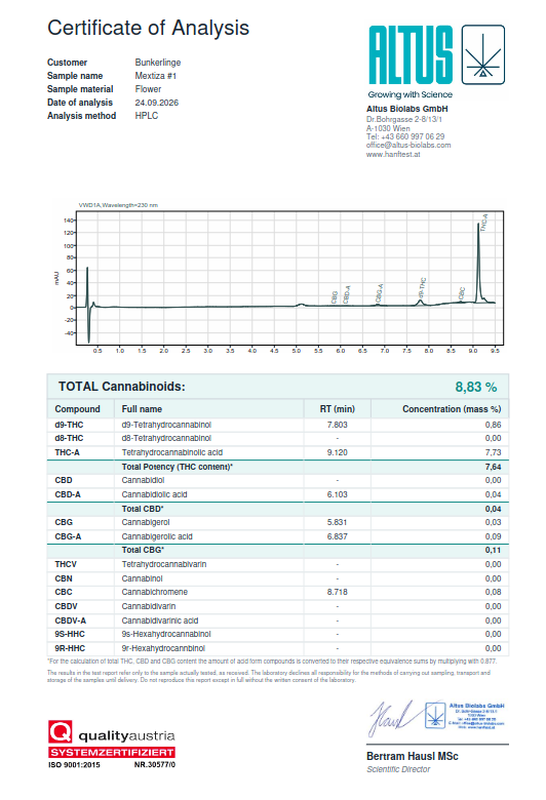
Mextiza #1 · Cannabinoids
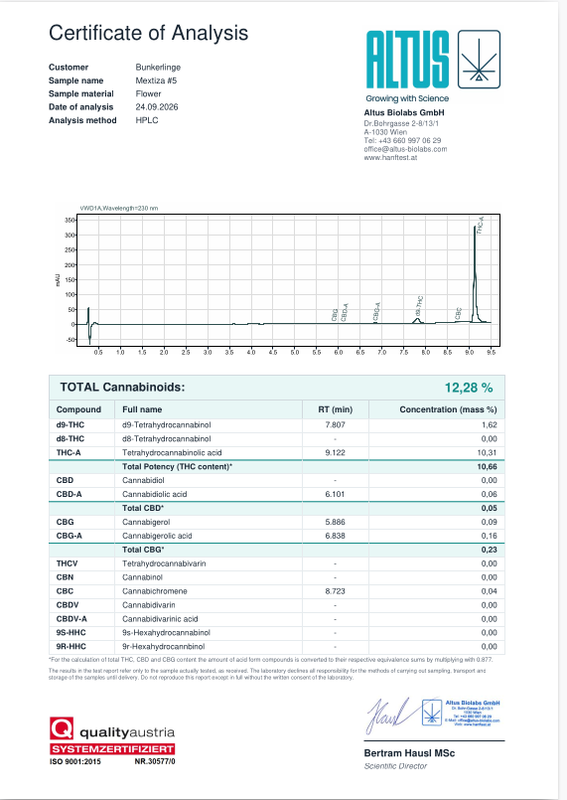
Mextiza #5 · Cannabinoids
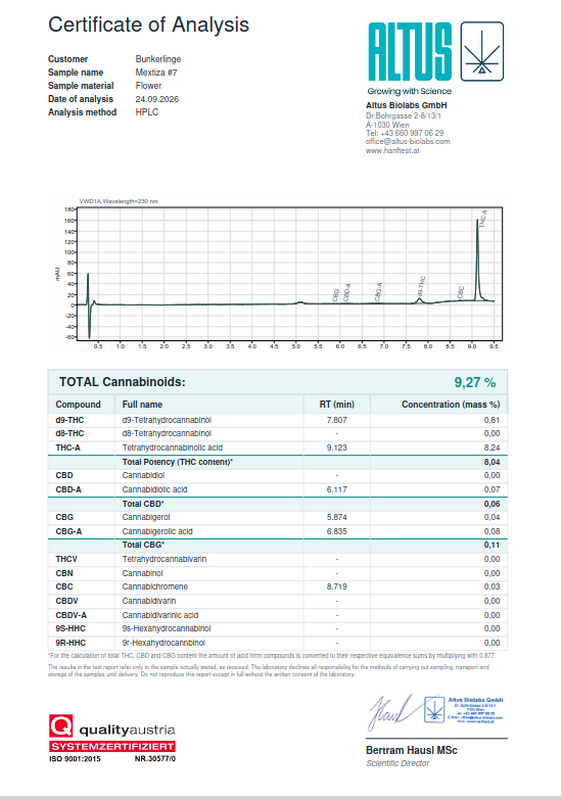
Mextiza #7 · Cannabinoids
Mextiza #5 is thus the strongest of the three in both cannabinoids and terpenes.
HLVd
Seeds from all three plants were tested for HLVd by RT-qPCR on 25 Sep 2026, all with a negative result.
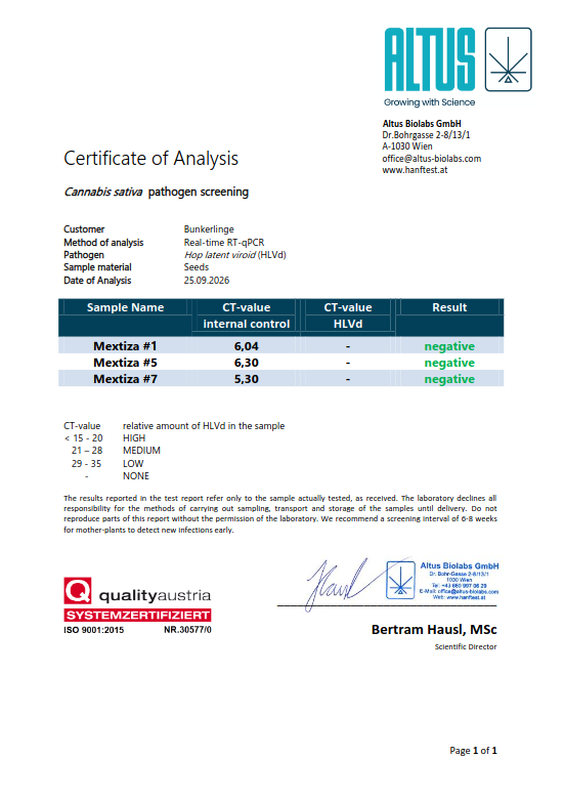
Mextiza #1, Mextiza #5 and Mextiza #7 · HLVd test
How to read the values
The three plants were heavily seeded. The lab removed the seeds and measured flower material including seed hulls. Measurements on unpollinated flowers are not available. The numbers therefore show which compounds Mextiza produces and how differently the plants turn out; for the content of unpollinated flowers they are only a rough guide.
Who the strain is for
Mextiza suits growers who want to raise a daytime sativa indoors and have the time and height for it. It suits breeders who want to bring mould-resistant sativa genetics from three landraces into their own lines, for example into early-flowering outdoor crosses. And it suits pheno hunters, because just three plants already show three different terpene profiles.
It is less suited to a reliable outdoor harvest in Germany and to anyone expecting a fast strain or a uniform set of plants.
Storage
The seeds are dried to about 6% residual moisture; how that works is described in the lexicon article on seed drying. Packed airtight in aluminium composite, they can be stored the way they arrive, whether in the fridge or the freezer.
Contents: 10 regular cannabis seeds | Breeder: Bunkerlinge Seeds | Genetics: Oaxaca S1 × NepalJam F6 (Mextiza, Cannabiogen)
Show less